The Closing Down of Schuh: A Troubling Trend in Retail
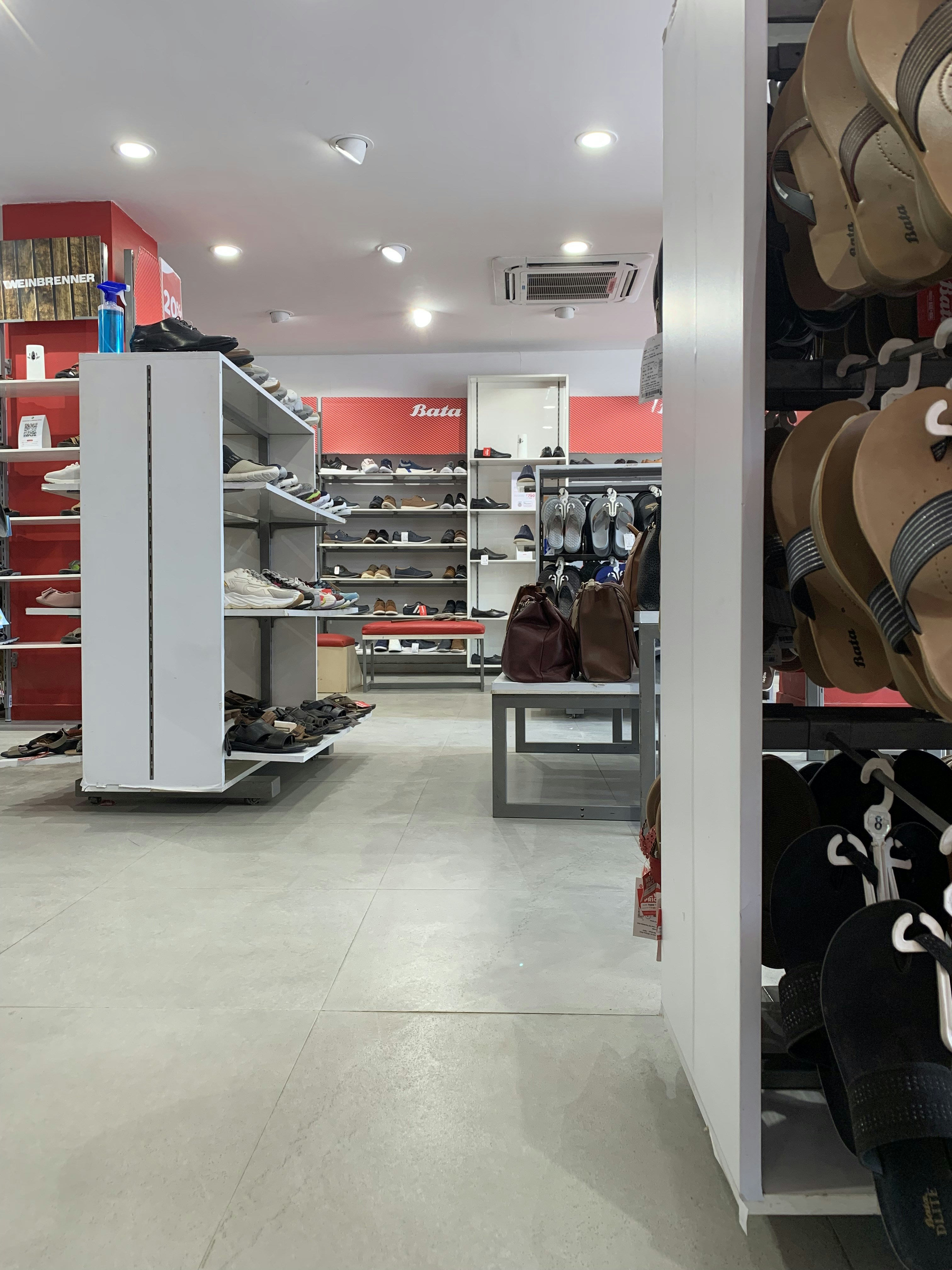
Introduction to Schuh’s Closure
Founded in 1981 by the entrepreneur Peter Simpson in Edinburgh, Schuh quickly evolved to become a significant player in the footwear retail sector. The company initially began as a single store, showcasing a range of stylish and quality footwear aimed primarily at a younger audience. Over the years, Schuh expanded its footprint across the United Kingdom, establishing itself not only as a retailer but also as a brand synonymous with contemporary shoe design and customer-centric service. This growth was bolstered by the brand’s ability to innovate and adapt to changing consumer preferences, which is essential in the competitive landscape of retail.
Schuh’s expansion involved a diverse portfolio that ranged from high-end athletic wear to casual footwear, cultivating a dedicated customer base appreciative of the unique styles offered. However, the retail industry has faced unprecedented challenges in recent years, spurred by shifts in consumer behavior, the rise of e-commerce, and economic pressures exacerbated by the global pandemic. These factors have significantly redefined shopping habits, compelling many traditional retailers, including Schuh, to reassess their business strategies.
Recently, Schuh announced its decision to close several store locations, a move that has raised concerns about the overall health of the retail sector. This closure stands as a striking indicator of the evolving dynamics within the footwear market and highlights broader trends affecting physical retail spaces. Furthermore, Schuh’s ability to weather the storm of these changes will have implications for not only their brand but also for the industry, signaling potential shifts in consumer engagement and loyalty. The current situation facing Schuh serves as a case study for the complex interplay between retail innovation, consumer preferences, and brand sustainability in a rapidly changing market environment.
The Impact of the Retail Crisis
The retail landscape has undergone a significant transformation over the past decade, marked by a pronounced shift towards digital shopping platforms. The expansion of e-commerce has introduced fierce competition, causing many traditional brick-and-mortar stores, such as Schuh, to grapple with declining foot traffic and sales. This trend is often fueled by changing consumer behaviors, as increasingly tech-savvy shoppers prefer the convenience of online purchasing, allowing them to browse and buy products from the comfort of their homes.
In addition to the rise of online shopping, economic challenges have also played a pivotal role in reshaping the retail industry. Issues such as inflation, fluctuations in consumer spending, and the aftermath of the COVID-19 pandemic have contributed to a strained economic environment. Retailers are being compelled to adapt to these economic pressures, which can lead to difficult decisions such as store closures or downsizing. Schuh’s closure is a stark reminder of the vulnerabilities faced by retailers when external factors converge to create an unfavorable trading environment.
Furthermore, the evolving expectations of consumers have led to a demand for personalized shopping experiences and innovative services. Retailers are under pressure to deliver unique engagements, integrating both online and offline elements to meet customer desires. Failure to adequately respond to these demands can further exacerbate the challenges faced by traditional retail outlets. It becomes increasingly critical for brands to not only offer quality products but also to cultivate an engaging shopping environment to retain and attract customers.
As brands navigate through these complexities, the implications of store closures extend beyond individual businesses. They reflect broader trends within the retail industry, potentially leading to a diminishing presence of physical stores that were once integral to communities. This paradigm shift highlights the urgent need for retailers to rethink strategies in a landscape that is continuously evolving.
Customer Reactions and Brand Loyalty
The announcement of Schuh’s impending closure has elicited a wave of reactions from its loyal customer base. Many individuals took to social media platforms, expressing their dismay at the loss of a brand that has long represented not just a retailer, but a source of community and identity. The emotional connections that customers developed with Schuh stem from years of positive experiences, which include everything from purchasing footwear for significant life events to simply enjoying the atmosphere within the store.
In various forums, consumers have shared personal stories about their favorite Schuh purchases, often highlighting how crucial the brand was during pivotal moments. One anecdote recounts a young woman’s experience of buying her first pair of proper running shoes from Schuh, emphasizing how this event not only launched her fitness journey but also forged a lasting loyalty to the brand. Another customer reflected on the brand’s commitment to inclusivity and variety, noting that Schuh was one of the few retailers that offered a wide range of sizes and styles suitable for everyone. Such testimonies reveal that Schuh is more than just a shoe store; it is intertwined with customers’ memories and milestones.
The closure of Schuh raises critical questions about the nature of brand loyalty in today’s retail climate. Many consumers have indicated a sense of loss, as they felt a community connection not just to the physical storefronts but to the ethos and values that Schuh upheld. As retail continues to evolve, the sentiment experienced by Schuh’s customers serves as a reminder of how deeply brands can resonate within their communities. This closing could symbolize a broader trend that underscores the fragility of consumer loyalty in a rapidly changing marketplace.
Financial Analysis of Schuh
The recent closure of Schuh has prompted a thorough examination of its financial performance in the years leading up to this significant decision. A critical aspect to consider is Schuh’s sales performance, which has undergone considerable fluctuations. While the brand traditionally enjoyed a solid market position, its recent sales figures have shown a decline, attributed to changing consumer preferences and increasing competition within the retail sector. A comprehensive assessment of Schuh’s revenue streams highlights a need for adaptive sales strategies to cater to the modern shopper’s demands.
Moreover, the company’s debt levels are an important indicator of its financial health. Analyzing Schuh’s balance sheet reveals an alarming trend of rising debt, which placed considerable strain on the company’s cash flow. Such financial obligations hindered Schuh’s ability to invest in growth initiatives or maintain operational efficiency. As interest expenses mounted, the profitability of the organization was adversely affected, leading to diminished returns on investment.
Cost management strategies also play a crucial role in the financial tableau of Schuh. In recent years, the company implemented various cost-cutting measures to stabilize finances. However, these initiatives were insufficient in addressing the core issues of reduced turnover and high debt levels. Ultimately, the inability to effectively manage operating costs lost Schuh its competitive edge in the retail market. The culmination of diminished sales, excessive debt, and ineffective cost management proved detrimental to Schuh’s financial stability, prompting the unfortunate decision to cease operations.
In conclusion, a detailed financial analysis of Schuh reveals a company troubled by declining sales, increasing debt, and inadequate cost management tactics. These factors collectively contributed to its ultimate closure, serving as a cautionary example for other retailers navigating today’s challenging economic landscape.
Comparisons to Other Retail Closures
Schuh’s recent closure reflects a broader pattern observed across the retail industry, where many well-established brands are reducing their footprints or, in some cases, ceasing operations altogether. Notable examples include well-known names such as Debenhams and Toys “R” Us, which have faced similar challenges in recent years. These closures often arise from various interconnected factors, including shifts in consumer behavior, the rise of e-commerce, and economic pressures such as inflation and increased operating costs.
Firstly, one prominent trend observed in the decline of these retail brands is the evolving shopping habits of consumers. The pandemic has accelerated the move towards online shopping, leading to a significant drop in foot traffic in physical stores. Consequently, retailers like Schuh, which traditionally thrived on high street sales, find themselves at a disadvantage. This shift has forced many brands to reevaluate their strategies as they attempt to compete with online marketplaces that often offer lower prices and greater convenience.
Another common factor contributing to these closures is the rising operational costs, which include rents, staffing, and logistics. Several retailers have reported that maintaining a physical presence has become increasingly unsustainable in an environment characterized by economic uncertainty. For instance, Debenhams’ long-standing struggle with debt and overhead costs ultimately led to its decision to close down entirely. Similarly, Schuh’s decision follows this trend, indicating that even successful brands are not immune to such pressures.
Additionally, the competition in the retail landscape cannot be overlooked. Many former leading brands failed to adapt quickly enough to the rapid changes within the industry, especially in terms of technology and consumer expectations. Lessons learned from these closures highlight the critical need for agility and innovation in retail strategy, suggesting that Schuh’s experience may be a cautionary tale for other retailers facing similar fates.
Future of the Footwear Market
The closure of Schuh marks a significant moment in the evolution of the footwear market, prompting both concern and speculation about future trends. As consumer preferences shift, the footwear sector may witness transformative changes influenced by various factors, such as sustainability, technological advancements, and the rise of online shopping. Industry analysts suggest that emerging brands could seize opportunities to fill the void left by established names like Schuh.
As customers become increasingly conscious about sustainable practices, there is a growing demand for eco-friendly footwear options. Brands that prioritize ethical sourcing and production processes are likely to appeal to a new generation of consumers who value corporate responsibility. Analysts predict this focus on sustainability will shape market dynamics moving forward, as legacy brands may struggle to adapt quickly to evolving consumer expectations.
Furthermore, the digital landscape continues to reshape shopping behaviors. With the rise of e-commerce, companies that invest in innovative online platforms and direct-to-consumer strategies are poised for success. Unlike traditional retail, which often relies on physical storefronts, emerging brands that leverage digital marketing strategies can establish strong connections with their audience, creating personalized shopping experiences. As the competition intensifies, established players might need to diversify and enhance their online presence to stay relevant.
The growing influence of fashion trends on social media platforms also plays a significant role in consumer decision-making. Brands that effectively engage with their audience through influencers and online communities could gain a competitive edge. Data shows that fashion-forward consumers often seek the latest styles showcased online, presenting opportunities for niche brands to thrive amidst changing preferences.
In conclusion, the footwear market’s future appears to be shaped by a blend of sustainability, digital innovation, and shifting consumer preferences. As the industry evolves, stakeholders must remain adaptable to harness emerging opportunities and navigate potential challenges. Understanding these dynamics will be crucial for both existing brands and newcomers aiming to succeed in a competitive landscape.
Impact on Employees
The recent announcement regarding the closure of Schuh has created a significant ripple effect across the retail landscape, with particularly profound implications for its employees. As one of the leading footwear retailers in the country, Schuh employed thousands of individuals dedicated to providing excellent customer service and managing store operations. The abrupt nature of the closure, however, leaves many workers facing unexpected job losses, leading to heightened anxiety and uncertainty.
Employees, many of whom have devoted years to the company, are skeptical about the potential for reintegration into the workforce. Job losses in the retail sector are becoming increasingly frequent as the industry adapts to changing consumer behaviors and the rise of e-commerce. This increasing trend contributes to a collective emotional toll on employees; numerous former workers have expressed feelings of betrayal and disillusionment as their livelihoods vanish. One former Schuh employee stated, “I dedicated years to building relationships with customers, and now I am left pondering my future. It feels like an ending I wasn’t prepared for.” Such testimonials highlight the human impact of corporate decisions.
In light of this significant transition, discussions around transition assistance for impacted employees have emerged. This assistance may include re-employment resources, career counseling, and vocational training programs. Many former employees may find themselves needing to upskill or retrain to adapt to new job markets and opportunities. Companies within the same retail sector have an ethical responsibility to consider the welfare of their workforce when faced with closure. Providing support during this transformative period can alleviate some challenges faced by employees, empowering them to regain stability in their career paths.
Ultimately, the closure of Schuh serves as a critical reminder of the fragile nature of employment in the retail sector, emphasizing the need for comprehensive support for displaced employees as they navigate the job market.
Responses from Industry Experts
The recent decision to close Schuh stores has sparked considerable discussion among retail industry experts and analysts. Many commentators view Schuh’s closure as a reflection of broader challenges facing the retail sector, particularly in the footwear market, which is becoming increasingly competitive. Experts emphasize that shifting consumer preferences, accelerated by the pandemic, have driven more shoppers to online platforms, leading to reduced foot traffic in brick-and-mortar stores. This trend raises questions about the viability of physical retail spaces in the future.
In interviews, various analysts highlighted the need for adaptive business strategies. Retail expert Sarah Collins noted that brands like Schuh must diversify their offerings and leverage multi-channel retailing to remain relevant. By integrating digital experiences with their physical stores, retailers can create a more holistic shopping experience, appealing to consumers who desire convenience alongside in-store interactions. This approach could potentially mitigate the impacts of declining sales attributed to changing shopping habits.
Economic analyst Richard Thompson added a cautionary note regarding future prospects for similar brands. He indicated that unless footwear companies engage in strategic differentiation and innovation, they may encounter similar fates as Schuh. Experts suggest that embracing sustainability as a core business principle could also resonate well with the increasingly environmentally conscious consumer base. Brands that prioritize eco-friendly practices might not only improve their market position but also cultivate a loyal customer following.
Ultimately, the closure of Schuh serves as a wake-up call for retailers to rethink their operational models. By embracing agility in their business strategies and focusing on customer-centric enhancements, the retail sector can mitigate the adverse effects of current trends. Insights from industry experts underscore the importance of adaptability in navigating a rapidly evolving market. In conclusion, Schuh’s case illustrates both a challenge and an opportunity for the retail landscape, encouraging companies to be proactive in their approaches moving forward.
Conclusion
The closure of Schuh marks a significant moment in the retail landscape, particularly as it shines a light on the broader challenges facing traditional brick-and-mortar stores. As discussed throughout the blog post, several key factors contributed to this unfortunate outcome. These include the profound changes in consumer behavior, the acceleration of digital advancements, and the increasing competition that the retail sector is experiencing.
One of the primary lessons learned from Schuh’s closure is the necessity for brands to adapt to evolving market dynamics. Retailers must remain vigilant, closely monitoring trends and consumer preferences that can shift rapidly. The rise of e-commerce has underscored the importance of an integrated online and offline presence, posturing brands that can accommodate emerging purchasing habits as frontrunners in the marketplace.
Moreover, innovation emerges as a crucial element for survival in an increasingly competitive environment. Brands that successfully introduce novel concepts, enhance customer experiences, and leverage technology are better positioned to thrive. Schuh’s demise serves as a cautionary tale, reminding other retailers that complacency can lead to a decline. The ability to pivot and embrace change is paramount, highlighting the significance of a proactive approach toward business strategies.
In reflecting on this case, it is crucial for retail businesses to engage in continuous improvement and to rethink their approaches to customer engagement. Developing meaningful connections with consumers through personalized experiences can foster loyalty and provide a competitive edge. Ultimately, the retail industry must learn from Schuh’s closure, ensuring that they not only adapt to current trends but also anticipate future changes to secure their longevity in the market.


Post Comment
You must be logged in to post a comment.