Remembering Ricky Hatton: A Tribute to the Iconic Boxer
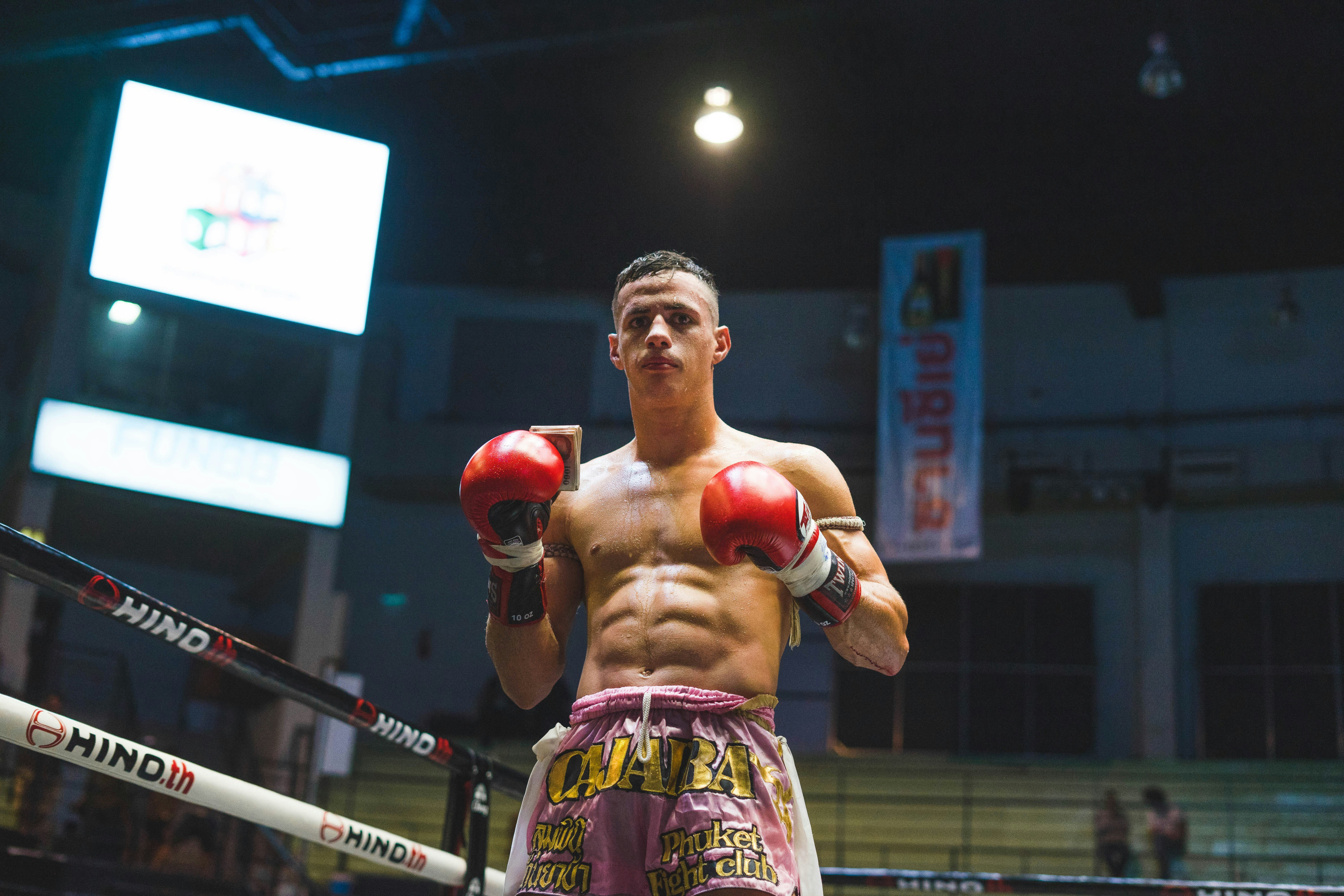
Introduction to Ricky Hatton
Ricky Hatton, born on October 6, 1978, in Manchester, England, emerged as one of the most celebrated boxers of his generation. Known for his relentless fighting style, Hatton became a prominent figure in the boxing world during the late 1990s and early 2000s. He achieved immense success in the ring, capturing multiple world championships in two weight classes, specifically the light welterweight and welterweight divisions.
Hatton’s early career was marked by a series of impressive victories, which culminated in his first world title win in 2005, when he claimed the IBF light welterweight title by defeating the reigning champion, Kostya Tszyu. This monumental victory not only solidified his status as a top contender but also showcased his ability to perform under pressure. As his popularity soared, Hatton quickly became a household name, attracting a loyal fan base drawn to both his gritty style and charismatic personality.
Ricky Hatton’s legacy is irrefutable; his contributions to the sport, complete with his exemplary work ethic and distinct fighting spirit, have left a lasting impact on boxing. This tribute will explore his life, the highs and lows of his career, and the circumstances surrounding his untimely passing, offering a comprehensive look at an iconic figure in the world of boxing.
Ricky Hatton’s Rise to Fame
Ricky Hatton, known affectionately as “The Hitman,” embarked on his boxing journey at a tender age, displaying remarkable talent and determination. Born on October 6, 1978, in Manchester, England, Hatton began boxing at the age of seven, quickly showcasing a penchant for the sport. His humble beginnings in local gyms were a precursor to an illustrious career that would captivate fans around the globe.
Hatton’s rise to fame was marked by a series of significant bouts that not only elevated his status within the boxing community but also endeared him to an extensive fan base. His professional debut occurred in 1997, and by 2005, he captured the IBF light-welterweight title, which marked a pivotal moment in his career. Hatton’s relentless style, characterized by his aggressive tactics and stamina, set him apart in the ring.
One of the defining moments of Hatton’s career was his clash with Kostya Tszyu in 2005 for the IBF light-welterweight championship. This fight solidified Hatton’s reputation as a world-class fighter as he claimed victory through a stunning knockout in the 11th round. Hatton’s success continued with subsequent victories, including his unification bout against Juan Carlos Castillo, further establishing him as a dominant figure in the sport.
The allure of Ricky Hatton extended beyond his impressive record. His charismatic personality and approachability made him a beloved figure among boxing enthusiasts. Fans resonated with his down-to-earth persona, often drawing comparisons to the grit and resilience of the working-class heroes of his native Manchester. As he amassed a series of titles, including the WBA and WBC belts, his popularity soared, transforming him into a cultural icon within the boxing world.
The Circumstances of Ricky Hatton’s Death
Ricky Hatton, the beloved British boxer, tragically passed away in 2023, shocking fans and the sports community alike. The circumstances surrounding his death were complex, with medical and personal factors contributing to the tragic event. Hatton had battled depression and addiction issues for many years, stemming from the pressures of fame and the intense scrutiny that accompanies being a high-profile athlete. These challenges were exacerbated by his retirement from boxing, which often left athletes feeling a profound sense of loss and disconnection from their identity.
Medical reports indicated that Hatton had struggled with various health complications, including heart issues that had been developing over time. His lifestyle choices, including fluctuating weight, alcohol consumption, and other substances, played a significant role in his overall health. Despite efforts to seek treatment and support, Hatton appeared to be grappling with his demons. This situation raises questions about how both personal and medical factors intertwine in the lives of individuals facing similar challenges.
Furthermore, rumors surrounding his death led to speculation about suicide, causing an outpouring of grief and concern among fans and mental health advocates. While it is essential to address the mental health struggles he faced, speculation without concrete evidence can lead to misunderstandings and further stigmatization of such issues. It is crucial to remember Ricky Hatton not only for his brilliant boxing career but also for his candid discussions about mental health, urging others to seek help when needed. His legacy serves as a reminder of the importance of supporting individuals battling personal demons and the need for increased awareness regarding mental health in the sports community.
Understanding Ricky Hatton’s Mental Health Struggles
Ricky Hatton, the celebrated British boxer known for his electrifying style and tenacity in the ring, faced significant mental health challenges that starkly contrasted with his public persona. Post-retirement, Hatton opened up about his battle with depression and addiction issues, shedding light on the often-overlooked mental health struggles athletes endure. The transition from a high-paced, competitive career to civilian life can be jarring, and for Hatton, it resulted in a profound sense of loss and identity crisis.
Hatton’s challenges began to surface after he stepped away from boxing, a sport he had dedicated his life to. The adrenaline and structure that accompanied regular bouts were replaced with an overwhelming void. As he navigated this new chapter of his life, he revealed that he turned to alcohol and substances as a means of coping, a common response among athletes facing similar dilemmas. These behaviors often stem from a lack of support structures or the inability to seek help, highlighting the importance of mental health awareness within the sports community.
His candid admissions about depression were crucial in normalizing conversations about mental health within athletics. While athletes are often celebrated for their physical prowess, their mental health is frequently neglected. Ricky Hatton’s narrative serves as a reminder of the importance of addressing mental well-being, particularly following retirement. The stigma surrounding mental health issues can prevent individuals from seeking the help they need, which underscores the necessity for dialogue and awareness in sports. By acknowledging the difficulties he faced, Hatton has contributed to a vital shift in perspective that promotes understanding and support for those battling similar issues in the sporting world.
Ricky Hatton’s Funeral and Public Tributes
The farewell for Ricky Hatton, a revered figure in the boxing world, took place on a somber yet celebratory day, bringing together fans, family, and the boxing community to honor his incredible legacy. The funeral was held at the prestigious Manchester Cathedral, a location fitting for a champion who meant so much to the city and the sport. The ceremony was attended by a diverse group of mourners, including family members, close friends, and numerous esteemed figures from the boxing community. Following their heartfelt tributes, many attendees shared personal memories that highlighted Hatton’s infectious spirit and dedication to the sport.
In the days leading up to the funeral, tributes poured in from across the globe. Fellow boxers, including legendary names such as Floyd Mayweather Jr. and Amir Khan, expressed their sorrow while celebrating Hatton’s achievements throughout his boxing career. Many described him as not just a great competitor in the ring but also a remarkable ambassador for the sport outside of it. Prominent public figures also shared their perspectives, acknowledging Hatton’s contributions both in and out of the ring. His exceptional career and charitable efforts earned him admiration far beyond the boxing realm.
The boxing community came together to pay their final respects, reflecting on the lessons Ricky Hatton imparted during his time as an athlete. Fans created a vibrant atmosphere outside the cathedral, showing their appreciation through various means, from floral tributes to banners commemorating his iconic fights. This outpouring of love and support reflected the profound impact he had on countless lives. His legacy, characterized by resilience, humility, and fierce determination, will remain etched in the annals of boxing history for generations to come.
Ricky Hatton’s Legacy in Boxing
Ricky Hatton, a name synonymous with boxing excellence, carved a remarkable legacy that continues to resonate within the sport today. Hailing from Manchester, England, Hatton’s career was marked by his tenacity, ferocity in the ring, and an unwavering commitment to his craft. Rising through the ranks, he quickly captured the hearts of boxing enthusiasts worldwide, not only due to his skills but also his blue-collar persona that appealed to fans from all walks of life.
One of Hatton’s most significant contributions to boxing was his ability to engage a new generation of athletes and supporters alike. His match-ups against prominent figures such as Floyd Mayweather Jr. and Manny Pacquiao are not only etched in the minds of his followers but also serve as pivotal moments in boxing history. These encounters displayed his exceptional fighting spirit and showcased the drama and excitement that boxing can elicit, further fuelling interest in the sport.
Hatton’s mastery in the ring extended beyond personal victory; his widespread popularity helped to elevate the profile of boxing in the UK, steering it into a golden era. He instigated a surge in ticket sales and pay-per-view subscriptions, directly contributing to the prosperity of the boxing industry. Moreover, his memorable nights in the ring, particularly his match against Kostya Tszyu, are often cited as defining moments of his career, illuminating his capacity for determination and skill that propelled him to world champion status.
As future generations of boxers step into the ring, Hatton’s influence remains evident. He is often referenced as a benchmark for aspiring fighters, embodying the spirit of hard work, resilience, and passion for the sport. Ricky Hatton will be remembered not only for his records but also for how he significantly shaped the landscape of modern boxing, inspiring countless individuals to pursue their dreams within the sport. His legacy will undoubtedly continue to inspire both fans and athletes for years to come.
Family and Personal Life of Ricky Hatton
Ricky Hatton, known for his remarkable career in the ring, also had a fascinating personal life that reflects the man behind the legendary boxer. Born on October 6, 1978, in Stockport, England, Ricky grew up in a close-knit family, which has always played a crucial role in his life. His parents, Ray and Carol Hatton, instilled in him the values of hard work and perseverance, qualities that he carried into both his boxing career and personal relationships.
Hatton was particularly close to his mother, who supported him throughout his boxing journey. He often spoke fondly of his family and the pivotal role they played during his rise to stardom. From a young age, the Hatton family embraced the sport, frequently attending local boxing events. Ricky eventually established his own family, having two children, Ricky Jr. and Francesca, with his former partner, Claire Sweeney, a well-known actress and singer. Their relationship attracted significant media attention, given Sweeney’s prominence in the entertainment industry.
In addition to his romantic relationships, Ricky often collaborated with famous public figures like Liam Gallagher, the lead singer of the rock band Oasis. Gallagher, a passionate boxing fan, admired Hatton’s boxing prowess and was frequently seen in attendance at his fights, reinforcing the connection between sports and music. This camaraderie demonstrated how Ricky transcended the boxing world and formed lasting bonds with prominent personalities. Despite the pressures of fame and the notoriety that accompanied his successes in the boxing ring, Ricky maintained a sincere and humble demeanor, allowing his family and friends to remain at the forefront of his life.
Financial Aspects: Ricky Hatton’s Net Worth
Ricky Hatton, renowned for his remarkable achievements in the boxing ring, also cultivated a significant financial portfolio throughout his career. At the time of his passing, Hatton’s net worth was estimated to be around $40 million. This figure not only highlights his earnings directly from his boxing endeavors but also reflects his smart management of personal finances and investments.
During his illustrious boxing career, Hatton earned substantial sums from prize fights. His bouts against notable figures such as Floyd Mayweather Jr. and Manny Pacquiao brought in millions, with estimates suggesting that he generated upwards of $150 million throughout his professional journey. These high-stakes matches were crucial for establishing his financial foundation, and Hatton was known for his willingness to take risks, often fighting in the United States. This strategic approach helped amplify his visibility and, consequently, his compensation.
In addition to his fight earnings, Hatton benefited significantly from endorsements and sponsorships, which played a pivotal role in enhancing his wealth. Companies saw the value in associating with a popular figure like Hatton, and he secured lucrative deals with brands related to sports, apparel, and fitness. These endorsements contributed substantially to his financial success, providing stability beyond the boxing ring.
Despite the pressures and challenges that athletes often face in managing their wealth, Hatton displayed considerable acumen in navigating financial complexities. He embraced entrepreneurship, launching his own promotional company and thereby ensuring a continued income stream post-retirement. This versatility in managing his financial assets showcases Ricky Hatton not only as a boxing icon but also as a savvy businessman, ultimately solidifying his financial legacy over the years.
Concluding Thoughts on Ricky Hatton
Ricky Hatton’s journey through the world of boxing has left a profound legacy not only in terms of his athletic achievements but also in the lessons gleaned from his personal struggles. His career is characterized by remarkable victories, including becoming a two-weight world champion, and his ability to connect with fans on an emotional level. Hatton transcended the sport; he became a cultural icon in the United Kingdom and was revered for his engaging personality and fighting spirit within the ring. However, alongside his triumphs, Hatton’s life also highlights the darker side of fame, including battles with mental health and substance abuse.
Throughout his boxing career, Hatton was celebrated for his relentless style and dedication, which made him a fan favorite. His bouts were often electrifying, and he demonstrated an unparalleled work ethic that propelled him to the top of the boxing world. However, the pressures that accompany such visibility can lead to overwhelming personal challenges. Ricky openly discussed his vulnerabilities, offering a narrative that encourages current and future athletes to prioritize mental health alongside their professional ambitions.
Hatton’s story serves as a reminder that success comes with its trials, and the lessons learned from his experiences are crucial for both fans and aspiring boxers. His willingness to confront his difficulties and advocate for mental health awareness demonstrates that even the strongest champions are not immune to personal battles. Thus, as we celebrate Ricky Hatton’s remarkable career, it is equally important to acknowledge the serious issues he faced. In doing so, we honor not just the boxer but the resilient individual who fought both inside and outside the ring. Ricky Hatton’s legacy will undoubtedly inspire generations to come, urging them to remember the importance of balance in life and the strength found in vulnerability.


Post Comment
You must be logged in to post a comment.